
What Are Popular Hardwood Varieties for Commercial Flooring?

Oak, maple, hickory, walnut, ash, and select exotic woods are some of the top hardwood varieties used in commercial flooring today. These options stand out for their balance of durability, appearance, and performance in high-traffic commercial spaces. Your final choice depends on how much foot traffic the space sees, the look you want, and how much maintenance you can manage.
Grand View Research reports that the U.S. wood flooring market reached $6.33 billion in 2024 and is set to grow at a 3.8% CAGR through 2030. That growth reflects the extent to which businesses still trust hardwood as a long-term flooring solution. When chosen correctly, hardwood delivers strength without sacrificing style.

What Makes Hardwood a Practical Choice for Commercial Flooring?
Hardwood remains a trusted option in commercial environments because it performs beyond surface appeal. It supports long-term use while maintaining a professional look that aligns with many business settings. Key qualities that support commercial use include:
Structural density
Refinish capability
Long service life
These characteristics allow hardwood to outlast many alternatives when properly installed. Compared to other commercial flooring options, hardwood offers the advantage of renewal rather than replacement. This means you can maintain a high-quality floor without frequent full replacements.
Which Hardwood Varieties Perform Best in High-Traffic
Commercial Areas?
Choosing hardwood for high-traffic area flooring requires more than picking a strong wood. You need a floor that is durable, easy to maintain, and cost-effective. Key considerations include:
Hardness level
Scratch resistance
Refinish potential
By focusing on these traits, you ensure the floor stands up to constant use. You also make it easier to maintain over time, keeping your commercial space looking professional and polished.
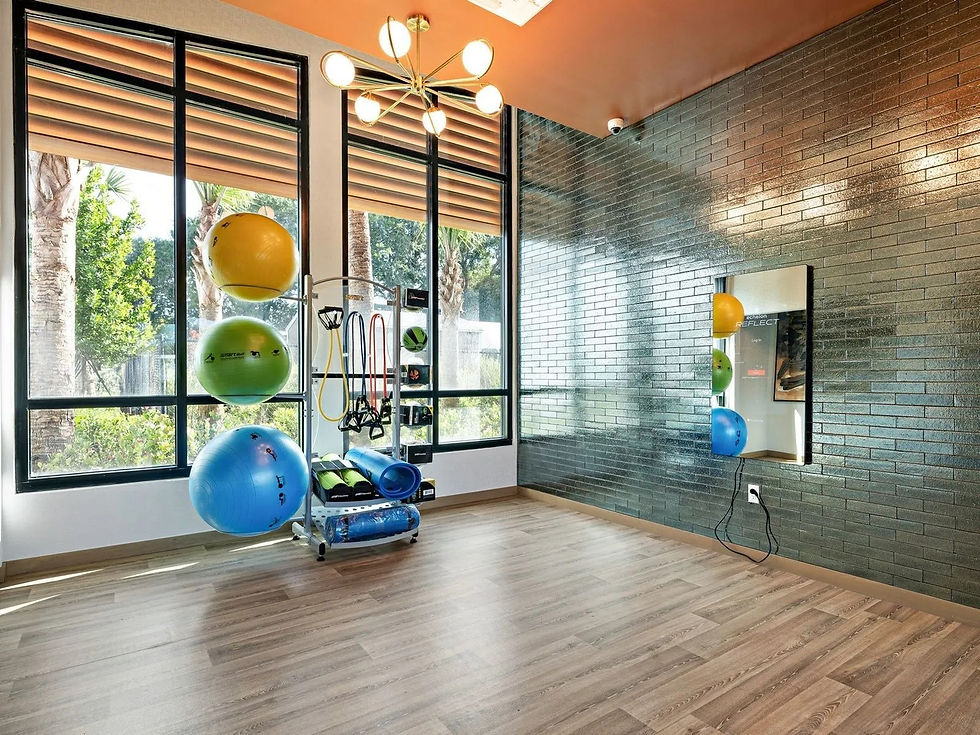
Popular Hardwood Varieties for Commercial Flooring
Different hardwoods offer varying levels of durability, appearance, and maintenance needs. Here are the top hardwood varieties to consider for your commercial space.
Oak: The Most Versatile Commercial Hardwood Option
Oak's adaptability makes it suitable for varied architectural styles and interior themes. You can choose between:
Red oak with warm undertones
White oak with neutral hues
Multiple stain applications
This flexibility allows you to align flooring with brand identity and lighting conditions. Oak works seamlessly across offices, retail spaces, and open-plan environments. Its broad acceptance within commercial flooring options reflects its design reliability.
Maple: Clean Aesthetics for Contemporary Commercial Interiors
Maple delivers a refined and uniform appearance. Its subtle grain structure supports minimalist and modern environments. You benefit from:
Light natural coloration
Smooth surface texture
Consistent visual pattern
These qualities make maple ideal for corporate offices and fitness facilities. It enhances brightness and supports clean architectural lines. For projects emphasizing stylish commercial hardwood, maple provides understated sophistication.

Hickory: Bold Character for Statement Commercial Floors
Hickory offers a distinctive visual contrast. Its natural variation creates movement and texture across large areas. Design advantages include:
Strong color variation
Pronounced grain patterns
Organic surface character
It's well-suited for hospitality spaces seeking warmth and authenticity. Hickory becomes part of your visual branding rather than just a structural surface. It adds depth without relying on additional decorative materials.
Walnut and Other Premium Hardwoods for Upscale Commercial Spaces
Walnut introduces richness and depth. Its dark tones create an immediate sense of refinement in executive and boutique settings. Premium hardwoods often feature:
Deep brown coloration
Smooth grain flow
Natural luster
These characteristics support high-end brand positioning. They work particularly well in boardrooms, reception areas, and luxury retail environments. When perception matters, premium hardwood reinforces exclusivity.
Ash: A Flexible and Resilient Commercial Flooring Option
Ash stands out for its natural elasticity. This flexibility helps absorb impact and reduces surface fatigue over time. Common uses include:
Open-plan interiors
Movement-heavy spaces
Design-forward layouts
Ash also accepts stains evenly, giving you flexibility in appearance. It performs well where resilient flooring solutions are needed alongside adaptable design.
Exotic Hardwood Varieties for Distinctive Commercial Design
Exotic hardwoods provide density, visual impact, and natural durability. Many also contain natural oils that help resist wear and moisture. Common types include:
Brazilian Cherry
Teak
Mahogany
Ipe
Cumaru
These woods are often used in:
Feature areas
Brand-focused interiors
Limited commercial zones
Because of cost and sourcing considerations, exotic hardwoods are best applied selectively. Choosing the right species lets you create a striking look while maintaining performance in commercial flooring options.

Frequently Asked Questions (FAQs)
How Long Does Commercial Hardwood Flooring Typically Last?
Commercial hardwood can last decades with proper care. Factors like traffic levels, finish quality, and maintenance schedules affect longevity.
You should plan for periodic refinishing every seven to ten years, depending on use. Regular upkeep prevents deep scratches, reduces replacement costs, and preserves the floor's appearance.
How Do I Choose the Right Hardwood Flooring Installers?
Selecting experienced installers is just as important as choosing the right hardwood. Look for:
Proven commercial installation experience
Certified and trained installation teams
Local support and responsive service
For reliable and professional installation, you can trust Flooring Solutions, Inc. Our team ensures proper subfloor preparation, precise installation, and finishes that meet commercial performance standards.
How Does Hardwood Compare to Other Durable Flooring Materials?
Hardwood offers advantages over other flooring options, such as tile, laminate, and luxury vinyl, including:
Longer refinishing potential
Stronger lifecycle value
Enhanced aesthetic appeal
While some alternatives may cost less upfront, hardwood often outperforms them over time. It supports resilient flooring solutions and maintains a professional, long-lasting appearance.
How Much Does It Cost to Install Commercial Hardwood Flooring?
Installation costs depend on several factors, including:
Wood species
Floor size
Subfloor condition and moisture preparation
Complexity of patterns or design elements
Working with professional installers ensures accurate planning. Proper preparation and expert installation help your floor perform well and last longer.
Hardwood Varieties for Commercial Flooring: Transform Your Business Today
Choosing the right hardwood varieties boosts both durability and style in your commercial space. The right selection handles heavy traffic while maintaining a polished look. By working with professional hardwood installers, you ensure a long-lasting, flawless floor.
For over 26 years at Flooring Solutions, Inc., we have helped Delaware homeowners and businesses transform their spaces with high-performance flooring and tile. Visit our showrooms in Wilmington and Dagsboro to explore hardwood, resilient, carpet, natural stone, and ceramic options.
Our family-owned team combines personalized attention with certified installation and expert craftsmanship. Contact us today to start your flooring transformation.


Comments