
What Is the Best Commercial Flooring Installation Method?

The best commercial flooring installation method involves prepping the sub-floor, laying out your flooring materials, installing the flooring, and making final touches. To find the ideal commercial flooring solutions for your area, you should have a deep understanding of each material and how it works.
According to Grand View Research, the global commercial flooring market is projected to expand at a CAGR of 4.8% between 2023 and 2030. The rise in high-traffic commercial areas that require durable flooring, such as wood and resilient materials, has driven market growth.
Understanding how every flooring material matches different environments helps create an inviting space for clients, promotes safety, and protects your budget.

Why Is Commercial Flooring Installation Important?
Commercial areas often experience constant movement, heavy machinery, and high foot traffic, which is why flooring is among the most essential aspects of the entire design. Professional floor installation ensures the performance and longevity of the flooring material.
Below are some of the benefits of commercial flooring solutions:
Aesthetics: With the right flooring, your space looks stunning and professional, appealing to both employees and clients.
Safety: Improperly installed flooring can lead to falls, trips, and slips. This increases the instances of accidents and injuries, especially in busy environments.
Durability: An expertly installed floor can withstand the harshness of daily use, thereby extending its lifespan.
What Are the Different Types of Business Flooring Options?
Before learning the best commercial flooring installation techniques, it's important to choose the right flooring material. Different types of business spaces require different flooring types based on appearance, maintenance, and durability. Some of the common business flooring options include the following:
Luxury Vinyl Tile (LVT)
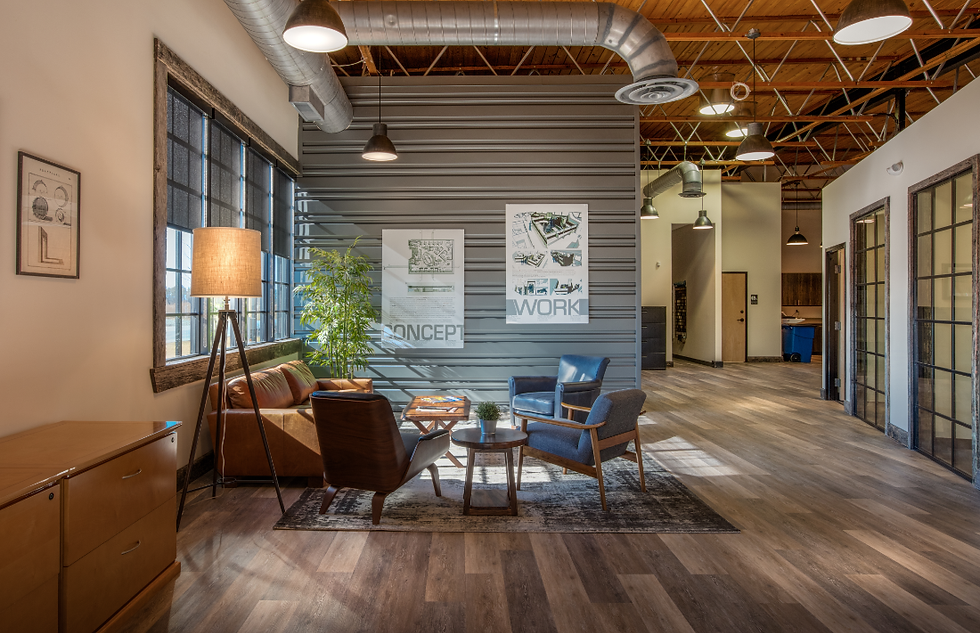
LVT is a highly versatile and durable option for most businesses. Its appearance is similar to that of natural materials, such as stone or wood, but it's more affordable. Additionally, LVT is resistant to scratches and water, making it perfect for high-traffic spaces.
Luxury vinyl tile is ideal for use in offices, healthcare facilities, and retail businesses.
Carpet Tiles
This type of flooring material is common in hospital settings and office spaces due to its sound-dampening and easy-to-maintain qualities. Carpet tiles provide a cozy, comfortable underfoot experience and are easy to replace if damaged.
Carpet tiles are also used in conference rooms and hotels.
Commercial Epoxy Flooring
It's a durable resin that's applied to other flooring materials, such as existing concrete. Epoxy resin hardens and seals the flooring material, creating a strong chemical bond.
The epoxy flooring is highly resistant to abrasions, heavy impacts, stains, and chemicals. These features make it ideal for use in commercial, industrial, and demanding areas.
Vinyl Composition Tile (VCT)
VCT is a common flooring option that consists of limestone and recycled vinyl, among other filler materials. Moreover, the vinyl composition tile is affordable and offers consistent color.
These features make it popular in high-traffic commercial areas, especially where budget is a major concern. VCT is best suited for hygienic areas, healthcare facilities, and educational facilities.

What's the Best Commercial Flooring Installation Method for Your Business?
Once you've settled on the best flooring material for your commercial space, it's time to hire professionals to install it. Here's a step-by-step guide on the best method to install commercial flooring:
Start by Preparing the Sub-Floor
The subfloor should be smooth, dry, and clean, regardless of whether you're working on hardwood, carpet tiles, or LVT. Use a vacuum cleaner to remove small particles, then sweep away all the debris and dust.
A concrete subfloor should be free of cracks and level. Wooden subfloors, on the other hand, should have no uneven spots or loose boards.
Lay Out Your Choice of Flooring Materials
Before you begin installing or applying adhesive, lay out the materials you plan to use. This measure ensures proper alignment, especially for patterned flooring such as LVT planks or carpet tiles.
Apply adhesive to the subfloor before laying sheet vinyl, tile, or LVT.
Install the Flooring
If you're using hardwood or LVT, begin at one corner of the space and maintain even gaps on the walls using a spacer. For carpet tiles, start at the middle of the room and work outwards to ensure each tile aligns with the others.
As you lay down the flooring, press it down firmly so the material adheres to the subfloor. Use a roller to flatten tiles and remove air bubbles.
Finishing Touches
Use a tile cutter or utility knife to carefully cut the material to ensure it fits obstacles such as doorways, vents, and columns. Finally, inspect the space for any loose pieces, misaligned sections, and gaps.

Frequently Asked Questions
Is it Possible to Install Commercial Floors on Your Own?
It's recommended that you seek professional floor installation services, especially for commercial areas. Expert installation ensures compliance with warranties, longevity, and durability. It applies to materials such as tile, epoxy, VCT, and LVT.
How Durable Is Commercial Flooring?
The durability of a business's flooring often depends on the materials used. Focus on
routine maintenance and high-quality flooring options to maximize the lifespan.
Hardwood floors are widely known for their timeless appeal and durability. If you're looking for long-term value, you can opt for hardwood floors and ensure you maintain them regularly.
How Long Does It Take a Professional to Install a Commercial Floor?
This period depends heavily on the type of flooring you're installing, the size of your space, and the complexity of the project. Installation time often ranges from a couple of days for small projects to several weeks for intricate or large spaces.
Hire Experts for the Best Commercial Flooring
Installation
With careful execution, preparation, and planning, professionals use durable flooring methods to ensure your commercial space has a flawless finish. Once you know what to expect, you can make wise decisions and achieve a flooring installation that matches the unique needs of your business.
At Flooring Solutions Inc., we offer expert guidance for commercial flooring installation and ensure all our clients find the ideal balance of value, durability, and style. Our team is knowledgeable on the latest techniques for resilient, hardwood, stone, and tile flooring to ensure high standards of craftsmanship.
Contact us today to achieve a flawless finish for your commercial project.


Comments